
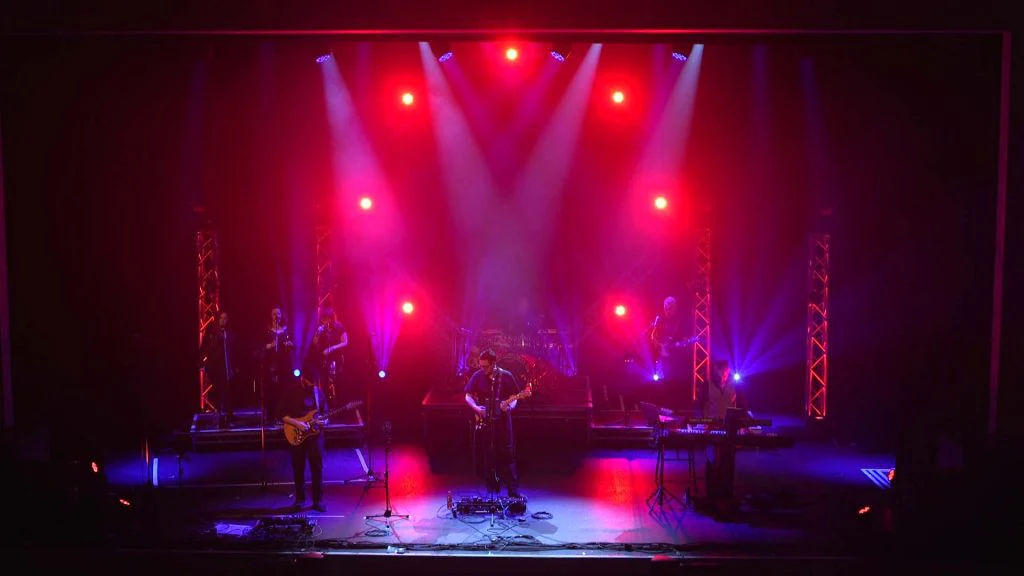
Choose the visual result first
Describe the moment. Is it an entrance through a cloud, beams visible across a stage, or a low layer around performers’ feet? Include how long the effect should last and whether the audience needs a clear view through it. A reference image is useful when paired with these details.
Avoid ordering a ‘smoke machine’ as a catch-all solution. The desired look helps the supplier choose the relevant equipment and explain what the room can realistically support. A dramatic photograph may have depended on lighting, camera exposure and conditions that differ from your event.
| Effect | Typical visual purpose | What to discuss |
|---|---|---|
| Smoke / fog | A visible cloud or burst | Output, cue timing, dispersal and visibility. |
| Haze | A lighter atmosphere that reveals beams | Lighting, airflow, persistence and venue approval. |
| Low fog | A low-lying layer | Cooling method, floor conditions, airflow and the length of the cue. |
Get venue approval before booking
Ask the venue whether atmospheric effects are permitted and who authorises them. Share the proposed machine, fluid information, intended location and timing. Detector response depends on the system and conditions; there is no universal setting that can be described as safe from triggering an alarm.
The responsible venue and event team should assess the effect, including people who could be sensitive to it and any effect on visibility or escape routes. Do not disable or cover detectors. Any arrangements involving the fire system belong with the authorised venue team and its procedures, not improvised during setup.
Account for the room and the air
Ventilation, open doors and temperature changes can alter where an effect goes and how quickly it disperses. Tell the supplier about air conditioning, audience entrances and whether the space is partly open. Do not assume a result tested in an empty room will behave identically with the doors operating during the event.
For outdoor use, describe the desired effect but be prepared for a less repeatable result. Air movement can remove or move the atmosphere away from the intended area. Plan an alternative lighting look if the show should still work without it.
Use the specified consumables and method
Confirm which fluid or other consumable the equipment requires and how much is included in the quotation. Different products are designed for different machines and outcomes. Do not substitute a fluid, mix products or improvise a cooling method.
Ask who will operate the equipment and how the effect will be cued and stopped. Some low-fog methods introduce additional handling or gas-related hazards. These need the relevant equipment instructions and a competent assessment, not a generic online recipe. Request technical operation if your team cannot cover the requirement.
Test the actual cue
Build an approved test into the setup schedule. Check the view from the audience, the performer route and the lighting effect. Note how long it takes to achieve the look and how long the atmosphere remains after the machine stops.
Agree a fallback with the director or event organiser if the effect cannot be used. A cue is not ready merely because the machine produces output; the timing, visibility and venue arrangements need to work together. Keep the final settings and operating instructions with the person responsible on the day.
Put it into practice
What to include in an effects enquiry
- The intended look, cue duration and reference image if useful.
- Venue, room size, indoor/outdoor setting and known ventilation.
- The venue’s approval contact and restrictions.
- Effect position, performer movement and audience proximity.
- Dates, testing time and whether an operator is required.
Technical references
Manufacturer and official guidance behind the technical points in this article. Follow the instructions for the specific equipment and the arrangements agreed with your venue.
Help with the job
Special effects hireExplore the service or ask the team about your own requirement below.
View hire prices & build a list